The African Coworking Market: Operators, Economics, Technology and the Rise of Work-and-Stay
 by Dimitar Inchev
Africa’s coworking market now stretches across almost every part of the continent, but its size is easy to misread.
AfriLabs reported 514 member innovation hubs across 53 African countries in its 2024 impact report. These include coworking spaces, incubators, accelerators, maker spaces, university centres and community organisations. Earlier ecosystem research found that only a minority of African hubs operated exclusively as coworking spaces. Most combined workspace with training, entrepreneurship programmes, investment support or corporate partnerships.
It's a distinction that is important and very specific to the inner workings of shared spaces in the continent. A premium flexible office in Nairobi, a fabrication hub in Lomé, a startup campus in Kigali and a digital training centre in Monrovia may all offer desks, yet they serve different customers and depend on different revenue models.
We are seeing four broad categories develop across the continent.
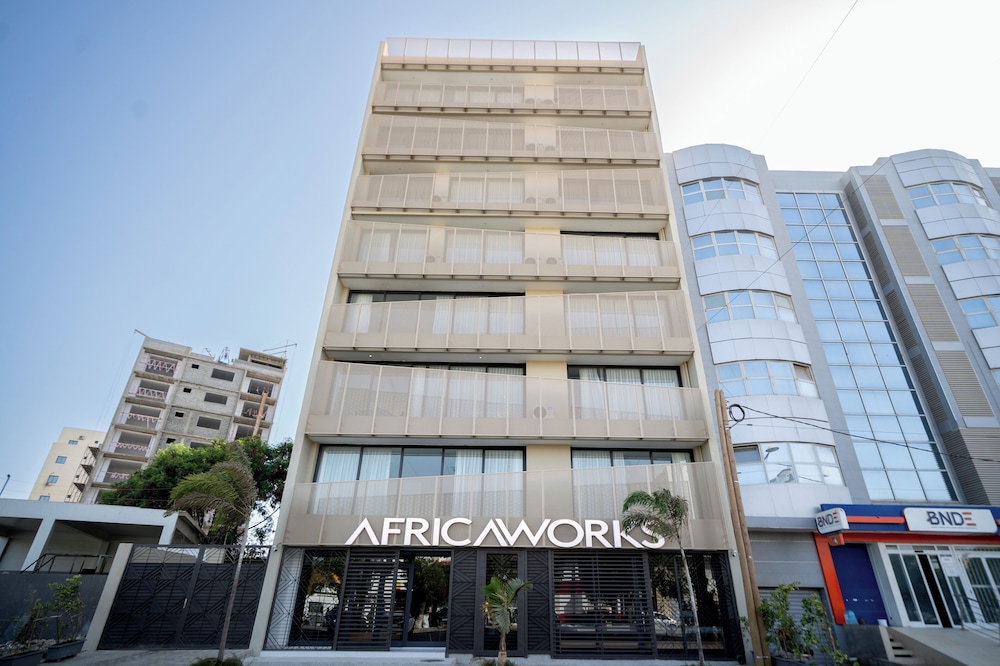
The first is commercial flexible workspace, led by operators such as Workshop17, Nairobi Garage, KOFISI, Ikigai, AfricaWorks, Workstation and Neighbourgood. Private offices, managed headquarters, meeting rooms and enterprise contracts are usually central to the economics.
The second is the innovation-hub model. Organisations such as CcHUB, BongoHive, ActivSpaces, Impact Hub Accra, Norrsken House Kigali, EtriLabs and Jokkolabs combine physical space with programmes, investment networks and community development.
The third category consists of specialist communities built around technology, media, design, manufacturing, agriculture, climate or education. These spaces can create stronger professional relationships because members already share a field of work.
The fourth combines working, living and hospitality. AfricaWorks, Neighbourgood, Ideas Cartel and AfricaNomads show how workspace can become part of a wider offer that includes accommodation, food, events, wellness and local experiences.
Together, these models form a market shaped as much by local infrastructure and business conditions as by global flexible-work trends.
Jump to a region or country:
North Africa: Egypt · Morocco · Tunisia · Algeria & Libya
West Africa: Nigeria · Ghana · Côte d'Ivoire · Senegal · Benin · Togo · Burkina Faso · Mali & Niger
East Africa & the Horn: Kenya · Rwanda · Uganda · Ethiopia · Tanzania
Central Africa: Cameroon · DR Congo · Chad
Southern Africa & the Indian Ocean: South Africa · Zambia · Zimbabwe · Mauritius
Topics: Technology stack · Coliving & work-and-stay · Key takeaways · Events · Where it's heading
North Africa
Egypt
Cairo has one of North Africa’s deepest coworking and flexible-office markets.
The GrEEK Campus remains an important part of the city’s technology and entrepreneurship scene, with locations across Downtown Cairo, New Cairo and West Cairo. MQR has developed a wider network of neighbourhood workspaces, while Consoleya has built a distinctive business community inside a restored building in central Cairo. WRK+ has also positioned MQR as a large Egyptian workspace platform serving several business districts.
Egypt’s scale supports several propositions at once: affordable community coworking, startup campuses, premium serviced offices and managed corporate space.
Cairo also provides good examples of adaptive reuse. Historic buildings and older commercial properties can offer the character and central location that newer office developments sometimes lack, provided operators invest properly in connectivity, cooling, access and maintenance.
Morocco
Casablanca is Morocco’s main commercial flexible-workspace market. KOFISI, New Work Lab, Technopark and several independent operators serve corporate teams, founders and international companies.
KOFISI’s Casa Anfa operation is especially relevant because it demonstrates demand for larger managed-office agreements. The operator announced a substantial anchor-tenant agreement within its Casablanca location, showing that African flex operators can compete for sizeable corporate requirements rather than depending mainly on individual memberships.
New Work Lab has played a longer-term community role in Casablanca, while independent brands such as 133 Coworking contribute smaller, locally focused alternatives.
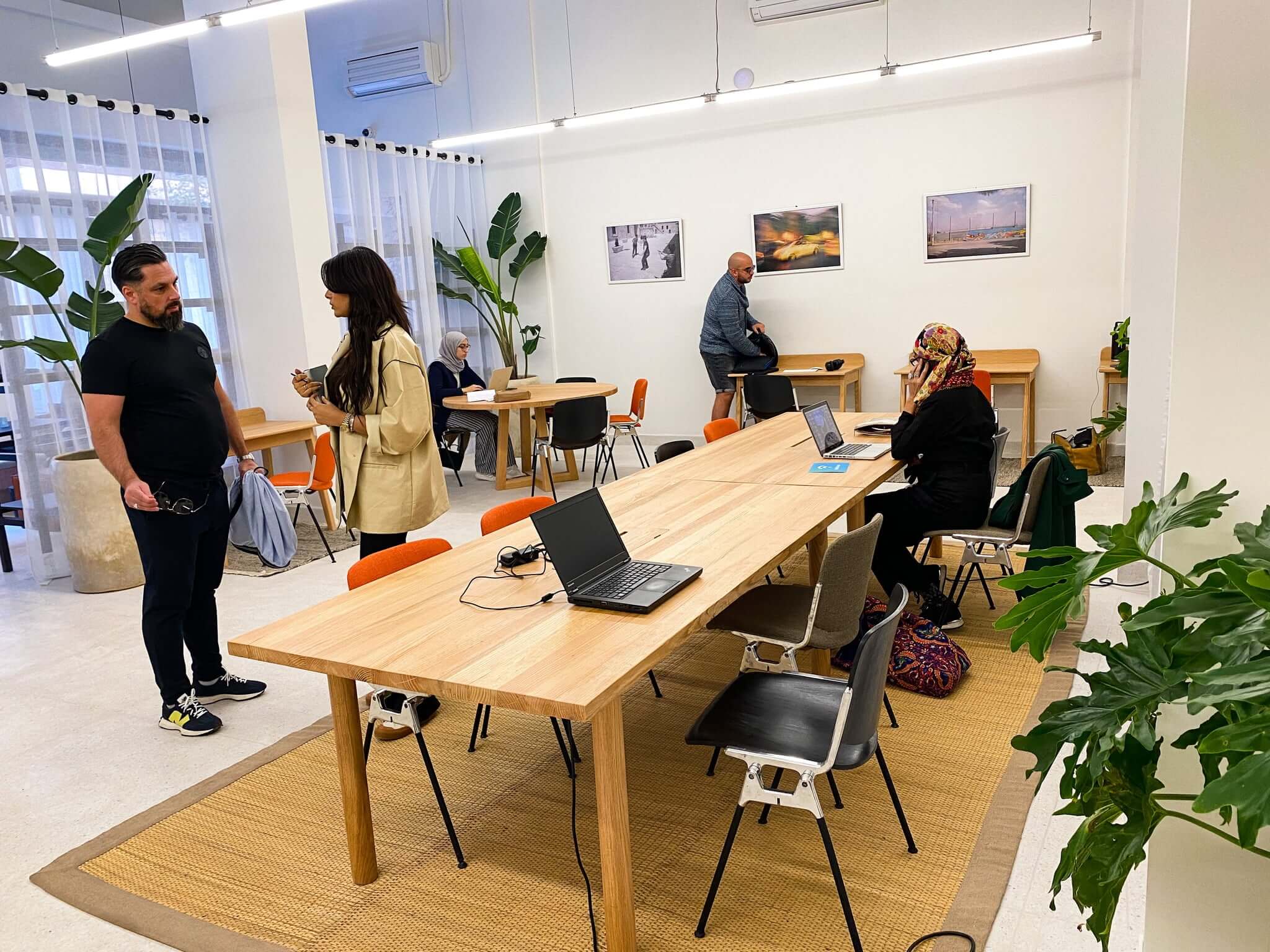
Marrakech presents a different opportunity. Its combination of tourism, creative industries, international residents and remote workers gives work-and-stay concepts more relevance than conventional corporate coworking alone. Our favourite space in the city is L'BLASSA, a welcoming grassroots space, with a quality coffee shop and art gallery. When we visited it for one of our coworking managers retreats, the space was lively and full of local and remote workers like architects and graphic designers.
Tunisia
Tunisia’s coworking ecosystem has developed through community spaces and public-private innovation initiatives.
Cogite, the country's first coworking space, was best-known for its vibrant coworking community; unfortunately, it has closed its doors. The Dot was established as a major digital innovation hub, bringing startups, public institutions, companies and entrepreneurship programmes together in one location.
The Tunisian market demonstrates the importance of programme revenue. Training, events, accelerator partnerships and corporate projects allow operators to serve a wider community while keeping some memberships accessible.
Algeria, Libya and Sudan
These markets have active entrepreneurial communities, although the commercial coworking sector remains smaller and less consistently documented.
Algiers has produced spaces such as Sylabs and The Address. Tripoli has introduced business-hub initiatives connected to entrepreneurship and municipal development. Sudan’s Impact Hub Khartoum and 249Startups built important founder communities before the current conflict severely disrupted physical business activity.
In these markets, current operating status should be checked directly. A brand’s community, programmes and professional network may continue even where its original physical space has been interrupted.
West Africa
Nigeria
Nigeria has the continent’s broadest mix of coworking spaces, innovation hubs, accelerators and independent professional communities.
Lagos includes CcHUB, Workstation, Impact Hub Lagos, CapitalSquare, Leadspace, Hub One and several smaller neighbourhood operators. Abuja has developed its own market around Ventures Park, Work and Connect and other business centres.
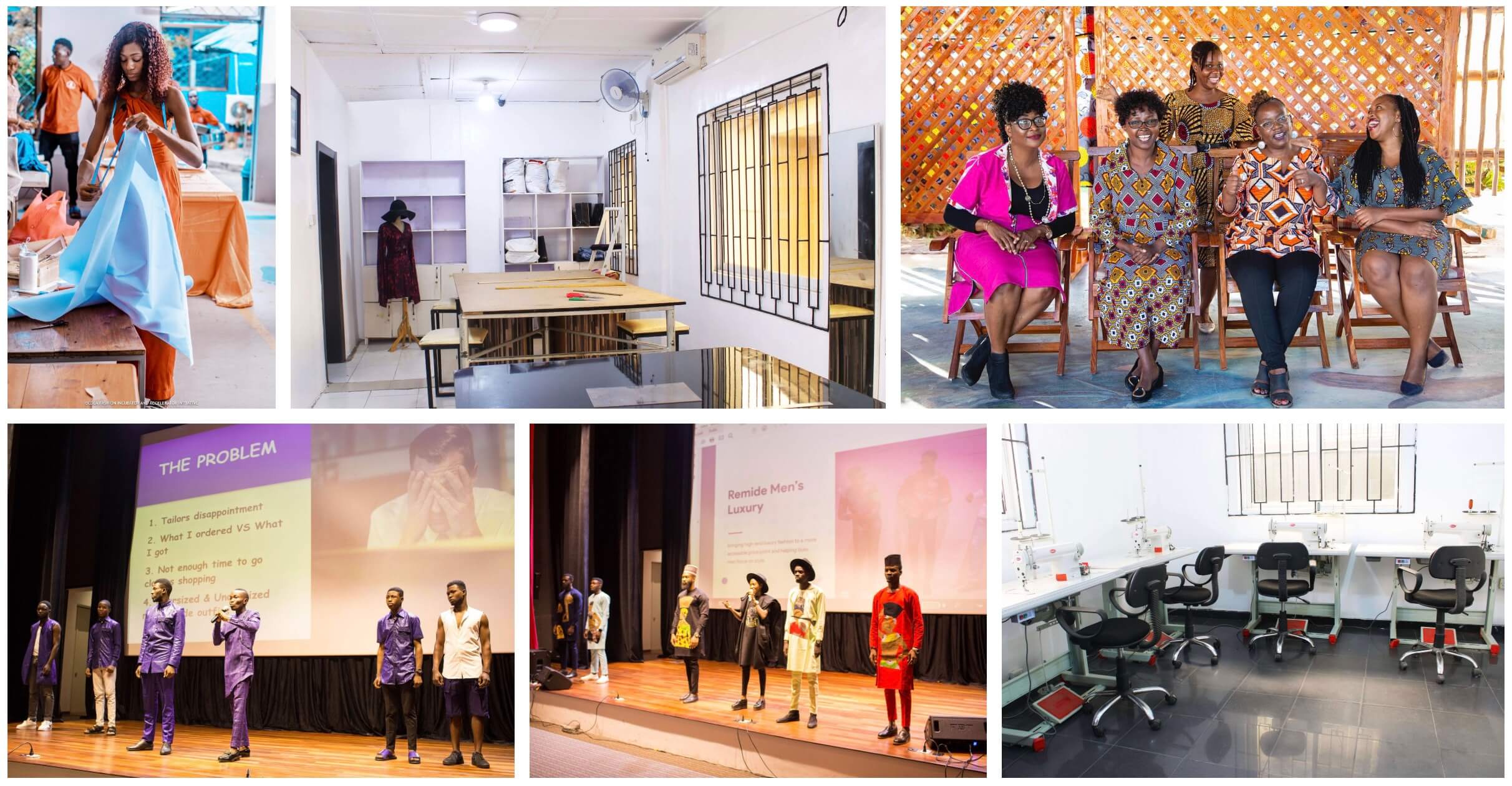
360 Creative Hub in Yaba, Lagos, describes itself as a “co-sewing space” for fashion entrepreneurs. It combines shared sewing and production facilities with a content studio, training, business and technology support, and market access to help fashion brands build more structured, scalable businesses. The hub is also featured in our book, Around the World in 250 Coworking Spaces.
CcHUB remains one of the most influential African innovation organisations, with a model that extends well beyond workspace into incubation, product development, investment and technology programmes. Ventures Park has taken a campus-style approach, combining flexible offices, shared areas, events and hospitality-related facilities.
Nigeria also exposes the operational reality behind coworking prices.
Techpoint Africa reported in March 2026 that electricity could account for approximately 20% to 40% of a coworking operator’s expenses. Operators face grid tariffs, diesel, generator maintenance, inverters, batteries and cooling costs before accounting for rent, staff or fit-out. Several spaces told the publication that the traditional coworking model had become increasingly difficult to sustain.
This directly affects the way a space's offer is marketed and designed. Reliable power, several internet connections and functioning air conditioning become part of the core membership offer. Customers are paying for business continuity as much as for space.
The Garage in Enugu offers another useful case. Built for students and younger professionals, it combined affordable access, extended operating hours, solar power, generators and a strong campus community. The space reportedly reached profitability within several months, demonstrating the potential of tightly defined customer groups outside Lagos and Abuja.
Nigeria’s strongest operators are building several revenue lines around the same property: private offices, virtual offices, meeting rooms, training, events, corporate programmes and sponsored entrepreneurship initiatives.
Ghana
Accra has one of West Africa’s most established community-oriented coworking scenes.
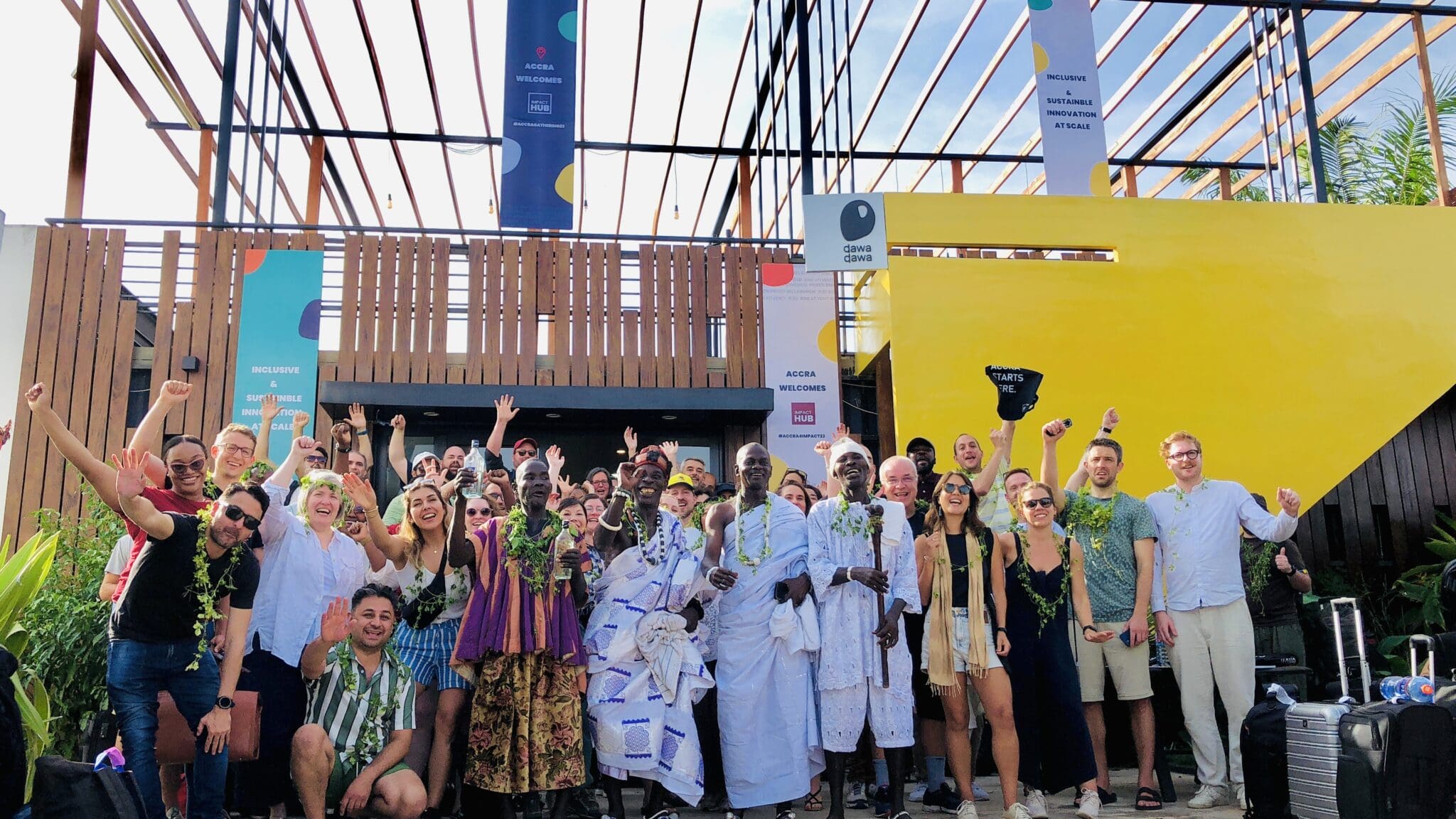
Impact Hub Accra has spent more than a decade developing entrepreneurship and innovation programmes. Its campus uses several adapted buildings and incorporates locally sourced design elements, solar energy and community facilities.
Kukun combines coworking, food and a creative community in Osu. BaseCamp Initiative focuses on remote workers, entrepreneurs and internationally mobile professionals through shared workspace, private offices and community activities.
The diversity of Accra’s offer is one of its strengths. Technology founders, development organisations, creative professionals, local companies and international remote workers can enter the market through different types of spaces.
Beyond the capital, Kumasi Hive and hapaSpace have helped build regional entrepreneurship communities. Their work shows how innovation hubs can establish demand before a city supports a larger premium coworking market.
Côte d’Ivoire
Abidjan has the strongest corporate workspace market in Francophone West Africa.
AfricaWorks launched in Abidjan and has used the city as part of a wider regional network. WOJO Africa, an Accor-owned brand, now operates a premium location within the Pullman Abidjan, giving hotel guests convenient access to professional workspace. Impact Hub Abidjan, AkwaHub and ZEBOX West Africa serve entrepreneurs, technology companies and logistics businesses, as well as corporate innovation programmes active in the city.
Abidjan benefits from regional headquarters, international organisations and companies entering French-speaking West Africa. This creates demand for managed private offices and enterprise-grade facilities alongside community-led startup spaces.
Senegal
Dakar combines a strong entrepreneurship ecosystem with growing demand from international organisations and regional companies.
Jokkolabs has been one of the city’s most established collaborative communities. CTIC Dakar focuses on technology entrepreneurship and business development, while AfricaWorks provides a more commercial coworking and coliving proposition.
The Dakar market is particularly suitable for partnerships between workspace operators, development organisations and companies entering Francophone Africa. The city’s international profile also creates a natural opportunity for accommodation linked to workspace.
Benin
Cotonou’s ecosystem is led mainly by innovation organisations.
EtriLabs provides workspace, startup support and entrepreneurship programmes. Sèmè City is developing a broader education and innovation platform, while BloLab brings fabrication, digital skills and maker culture into the market.
These organisations show how coworking can operate as part of a larger economic-development offer. Membership revenue may be supported by training contracts, accelerator programmes and institutional partnerships.
Togo
Lomé has developed a distinctive technology and maker community.
WoeLab Fablab is known for its grassroots approach to fabrication, digital experimentation and local problem-solving. Djanta Tech Hub adds a newer platform for coworking, technology entrepreneurship and business support.
Togo’s location and regional connectivity give Lomé the potential to support a larger professional flexible-workspace market alongside its existing innovation hubs.
Burkina Faso
La Fabrique, OuagaLab and related entrepreneurship organisations form the core of Ouagadougou’s shared-workspace ecosystem.
La Fabrique works closely with socially and environmentally focused businesses, while OuagaLab has contributed to fabrication, digital skills and community innovation.
The market remains programme-led, with physical workspace functioning as one part of a broader support structure.
Mali, Niger and Mauritania
DoniLab in Mali, CIPMEN in Niger and Hadina RIMTIC in Mauritania are important regional innovation anchors. They combine workspace with incubation, technical support, entrepreneurship education and access to professional networks.
These markets currently offer more opportunity for locally embedded hubs than for large international coworking chains. Operators need strong institutional relationships and a clear understanding of local business conditions.
Other West African markets
In Liberia, Sierra Leone, Guinea, Guinea-Bissau, The Gambia and Cabo Verde, coworking is often delivered through technology hubs, digital training organisations and entrepreneurship centres.
iCampus Liberia, Sensi Tech Hub, Saboutech, InnovaLab and local technology communities perform an important infrastructure role. They provide internet access, professional meeting space, skills programmes and a trusted place for founders to meet.
Commercial coworking remains relatively early in these markets, but the community layer is already being built.
East Africa and the Horn
Kenya
Nairobi is one of Africa’s most mature coworking markets.
Nairobi Garage operates several locations across the city and serves startups, independent professionals and established teams. WOJO Africa also operates in Nairobi, bringing the hospitality-led model of Accor’s European WOJO brand to Kenya. Ikigai has built a design-led, hospitality-oriented proposition, while KOFISI focuses heavily on enterprise offices, managed space and regional companies.
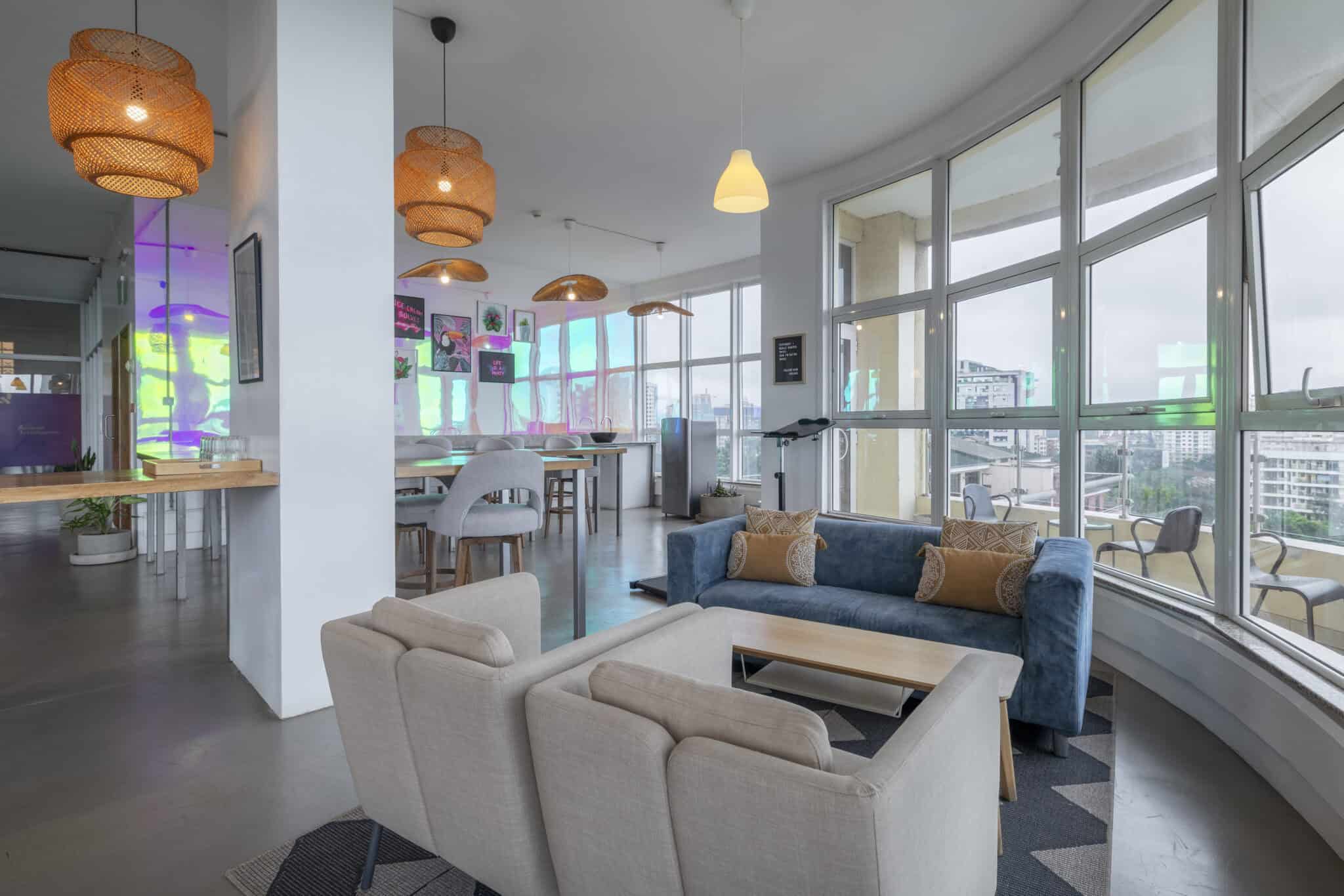
The market continues to attract expansion. Business Daily reported further growth from international and local operators, including additional centres from IWG and Workstyle. IWG had previously announced plans for multiple new locations across Nairobi, Kiambu and Mombasa.
Workable Nairobi became the first coworking space in Africa to achieve the WELL Coworking Rating, a globally recognised standard developed by the International WELL Building Institute (IWBI) in partnership with The Instant Group. The rating evaluates workspaces across ten evidence-based principles — including air, light, sound, thermal comfort and community — and builds on Workable's earlier distinction as the first EDGE Buildings Certified shared workspace operator in East and Central Africa. It is a clear signal that sustainability, wellness and ESG compliance are becoming competitive differentiators in Nairobi's increasingly mature flexible-workspace market.
Nairobi also shows how coworking competes with informal alternatives. TechCabal reported day passes around KES 2,000–3,000, dedicated desks from approximately KES 25,000 to KES 50,000 per month and private offices extending considerably higher. At those prices, founders compare professional coworking with cafés, restaurants, apartments and small conventional offices.
Operators therefore need to demonstrate clear value through reliability, privacy, meeting facilities, service quality, community and flexible commitments.
Nairobi’s next stage is likely to include more managed headquarters and specialised communities. The city already has enough coworking supply for customers to compare brands on experience rather than simply availability.
Rwanda
Kigali has built a highly visible innovation and flexible-work ecosystem.
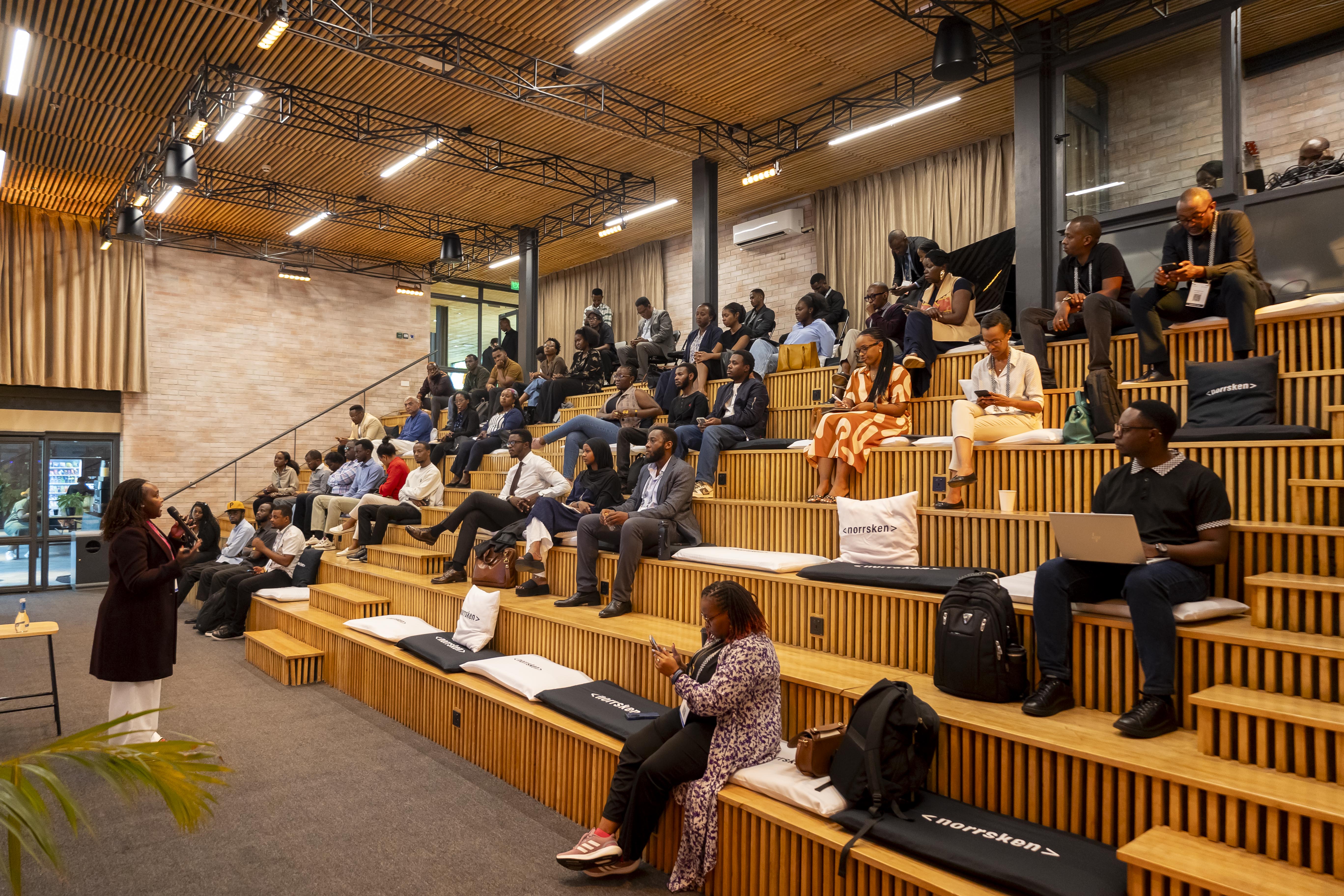
Norrsken House Kigali is the leading large-scale case. The approximately 12,000-square-metre campus accommodates more than 1,400 members and offers flexible workspace, private offices, events and startup-community facilities in the city’s financial district.
KOFISI has also announced its first ground-up campus in Africa. KOFISI Innovation City is a purpose-built enterprise workspace in Kigali — designed from the outset rather than adapted from an existing building, reflecting sustained occupancy demand and confidence in Rwanda's investment climate.
Kigali’s appeal comes from its organised arrival experience, regional accessibility and concentration of entrepreneurship programmes. For many international teams, the workspace also serves as an entry point into the local business community.
Uganda
Kampala has developed several specialist workspace communities.
The Innovation Village is a major entrepreneurship and innovation platform. MOTIV focuses on makers, production, design and creative industries. Design-oriented communities and newer circular-economy initiatives extend the ecosystem beyond conventional technology startups.
Uganda demonstrates the value of specialisation. A hardware founder, fashion business, media company and corporate innovation team require different equipment and professional networks. Spaces designed around those requirements can build deeper communities than a general desk offer.
Ethiopia
Addis Ababa’s ecosystem is anchored by organisations such as iceaddis, blueMoon, xHub Addis and newer communities including blueSpace.
iceaddis has been one of Ethiopia’s longest-running technology and innovation hubs. Local reporting has also highlighted blueMoon’s work around agriculture and entrepreneurship and xHub’s role in startup development.
Ethiopia’s large population and business base create substantial long-term potential. Connectivity, regulation, international payments and access to capital continue to influence how workspace operators structure their services.
Tanzania
Dar es Salaam supports both premium business centres and entrepreneurship hubs.
KOFISI and Seedspace represent the more commercial end of the market, while Buni Hub and local innovation organisations provide founder support, events and technology programmes. Regional hubs such as Ifakara Innovation Hub show how the model is also developing beyond the country’s largest commercial districts.
Tanzania’s opportunity is closely tied to regional business movement. Companies operating between Nairobi, Dar es Salaam, Kampala and Kigali increasingly need consistent workspace standards across several cities.
Somalia, Somaliland, Burundi and South Sudan
These markets rely heavily on locally rooted innovation communities.
iRise Hub in Mogadishu, HarHub and Barkulan in Hargeisa, Burundi Business Incubator in Bujumbura and Scenius Hub in Juba provide workspace alongside entrepreneurship, education and community programmes.
Their role extends far beyond property. They give founders access to reliable facilities, professional networks, training and a visible institutional home.
Central Africa
Cameroon
Cameroon has one of Central Africa’s most established innovation ecosystems.
ActivSpaces operates coworking and accelerator activity connected to Douala, Buea and the wider technology community. Mountain Hub supports entrepreneurs around the Silicon Mountain ecosystem, while JongoHub adds another local platform for founders and digital businesses.
Cameroon’s bilingual economy gives these organisations potential regional relevance. They can connect French-speaking and English-speaking founders while supporting companies entering the wider Central African market.
Democratic Republic of the Congo
Kinshasa’s ecosystem includes Silikin Village, Kinshasa Digital and Kobo Hub.
Silikin Village is particularly interesting as a larger entrepreneurship campus. It combines workspace, business support, events and professional community within a more ambitious physical environment. Kobo Hub provides another platform for local startups and entrepreneurs.
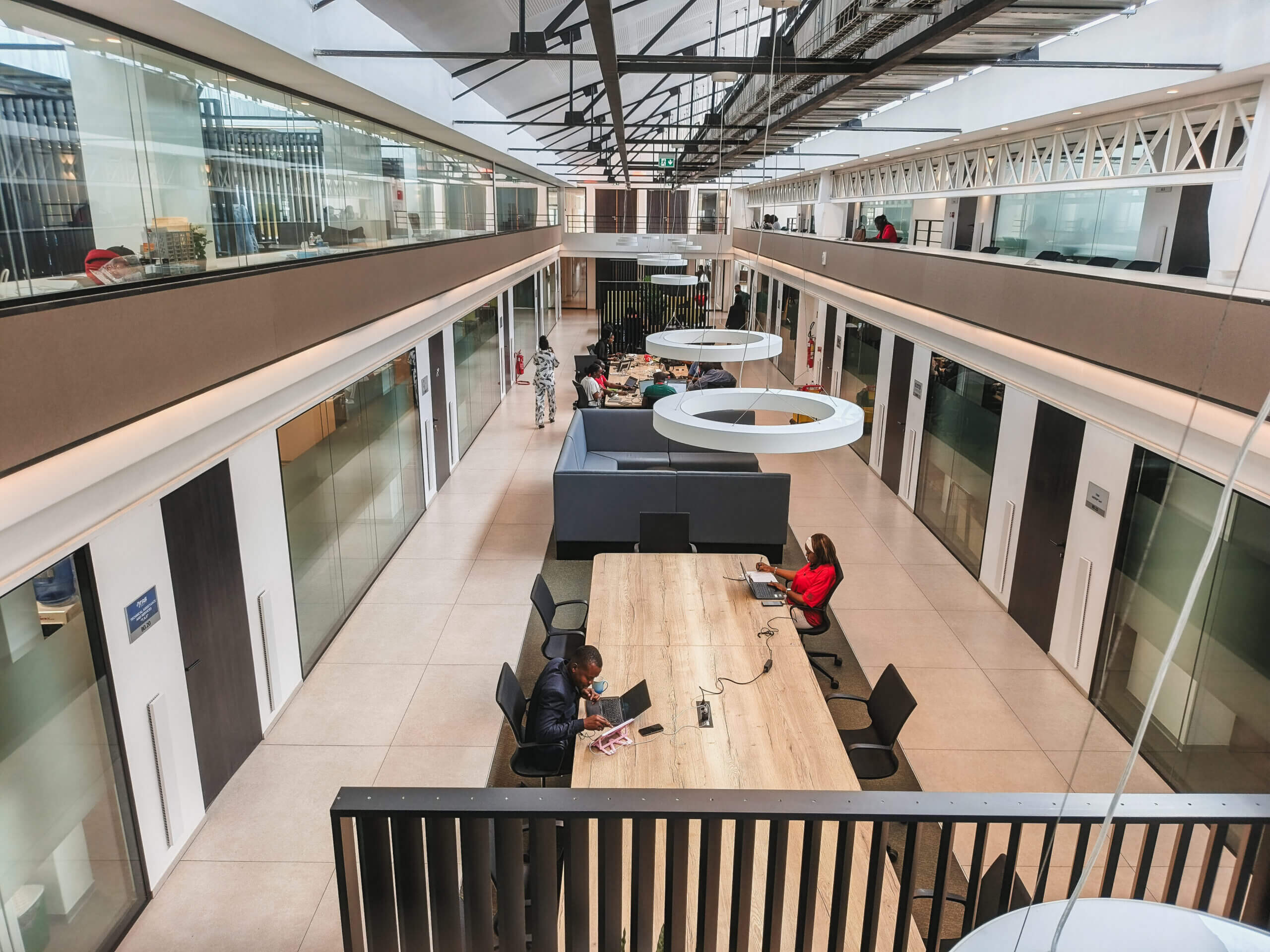
Goma has also developed locally important hubs despite a challenging operating environment. These organisations show how entrepreneurship communities can emerge outside the political and commercial capital.
Chad
Chad Innovation Hub and Sahel Green Hub combine entrepreneurship support with technology and sustainability programmes.
The conventional coworking market remains small. Institutional partnerships and development programmes are central to maintaining accessible facilities for local founders.
Other Central African markets
Gabon, the Republic of the Congo and Equatorial Guinea have smaller but visible innovation platforms, including SING in Libreville, Yekolab in Brazzaville and Koia in Malabo.
The Central African Republic and São Tomé and Príncipe remain early markets. Shared workspace is more likely to appear within digital centres, hotels, enterprise programmes or small professional communities than through large dedicated coworking brands.
Southern Africa and the Indian Ocean
South Africa
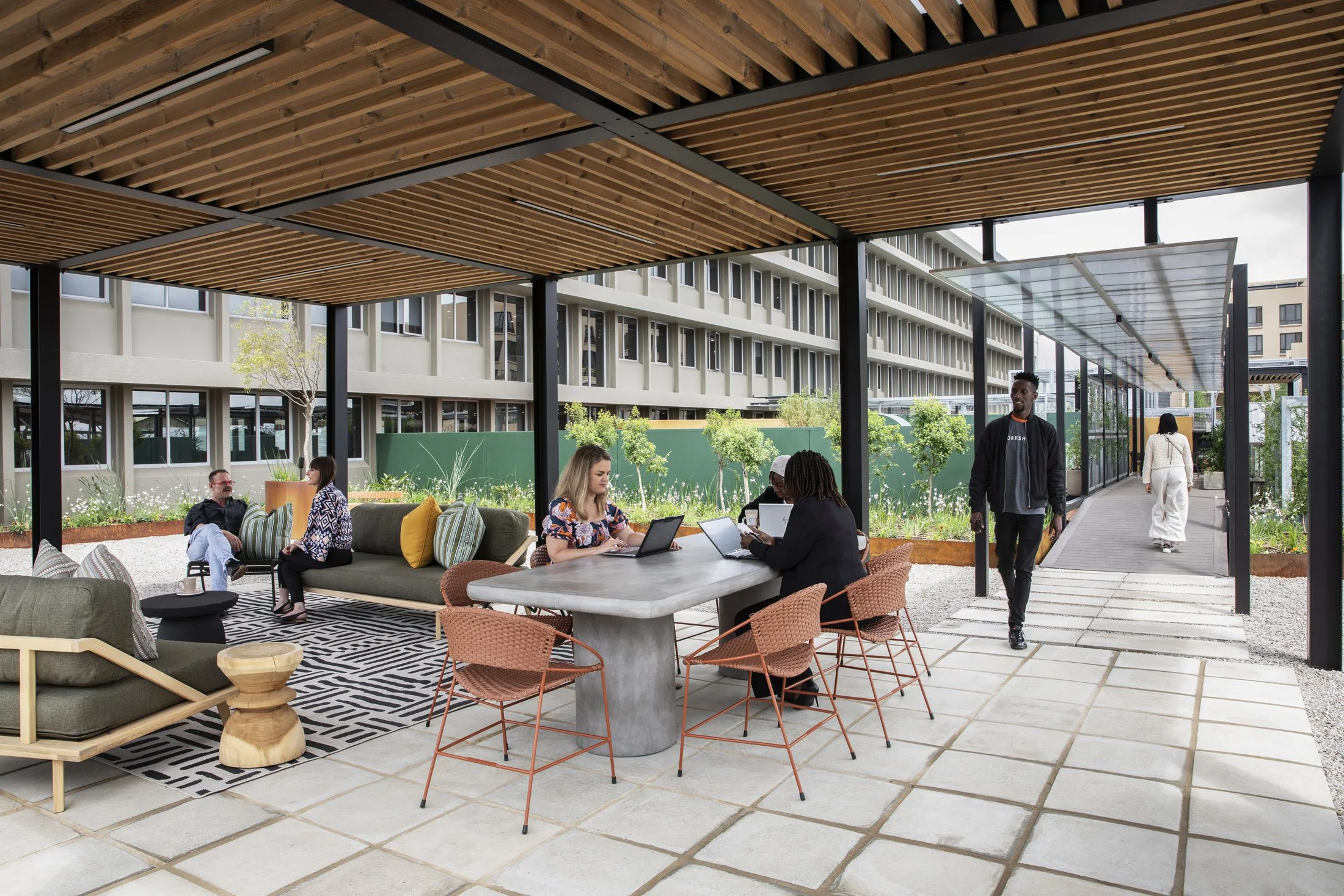
South Africa has the continent’s deepest and most diversified commercial flexible-office sector, combining global brands, scaled African operators and workspace concepts increasingly connected with hospitality and accommodation.
WeWork operates three locations in the country. In a conversation with us, Stefano Migliore, CEO of WeWork South Africa, highlighted the scale of its Johannesburg footprint: "WeWork operates the two largest coworking locations in Africa, at 13,000 square metres in Rosebank and 11,000 square metres in Sandton." Its third location is in central Cape Town, while members can also access WeWork's wider global network.
Workshop17 has built another substantial network, with ten locations across Johannesburg, Cape Town, Paarl and Ballito, alongside four locations in Mauritius. Its offer covers coworking, private offices, meeting facilities and enterprise workspace.
Roamwork has operated in central Cape Town since 2018, offering flex workspace solutions, bookable meeting and podcast rooms. Its focus on a secure, modern and enriching environment adds another quality option for individuals, startups and growing businesses in the city.
Other operators are extending the category beyond the conventional flexible office. Neighbourgood combines a city-wide network of work clubs with accommodation, hospitality and neighbourhood experiences. Ideas Cartel similarly brings together workspaces, private offices, restaurants, events and hotel rooms across several Cape Town properties.
FutureSpace in Johannesburg positions itself as a luxury serviced-office destination for high-growth companies, multinationals entering South Africa and startups seeking a high-performance, brand-aligned work environment.
This breadth reflects the maturity of the South African market. Its corporate base supports enterprise flexible workspace at a scale few other African countries can currently match, while Cape Town’s international remote-work audience creates demand for products that combine workspace, hospitality and coliving.
Zambia
BongoHive is one of Southern Africa’s best-known technology and entrepreneurship hubs. Its Hive Coworking product provides workspace within a broader community of startups, investors and technology professionals.
AfricaWorks has also expanded its commercial presence in Lusaka, including a larger location at Agora Village. This brings a regional premium-workspace offer to a market historically led by startup and community hubs.
Zimbabwe
Impact Hub Harare and Eight2Five Innovation Hub are among the country’s main professional communities. Moto Republik has played a more specialised role around media, creativity and civic participation.
Impact Hub Harare combines coworking with programmes, events and business support.
Operators in Zimbabwe must plan carefully around currency volatility, power availability and changing operating costs. Partnerships and diversified income are especially important.
Mauritius
Mauritius has developed a sophisticated flexible-workspace market relative to its size.
Workshop17 now operates several locations across the island, serving local businesses, international companies and professionals relocating to Mauritius. The Hive and other independent communities add smaller-scale alternatives.
The island is particularly suitable for work-and-stay products. International founders and executives may require accommodation, workspace, company services and a professional network at the same time.
Other Southern and island markets
Malawi’s mHub and Mzuzu E-Hub, Namibia’s Dololo and The Barn, Botswana Digital and Innovation Hub, Angola’s KiandaHub and Fábrica de Sabão, Mozambique’s ideialab, Madagascar’s Habaka, Seychelles’ Blend and Comoros’ Comor’Lab are among the visible ecosystem anchors.
Most combine workspace with training, incubation, creative programmes or digital education. The commercial coworking category is still developing, although remote work and tourism create additional opportunities in Namibia, Madagascar, Mauritius and Seychelles.
The coworking technology stack in Africa
Coworking technology in Africa begins with the building.
The first layer includes dependable electricity, backup generation, batteries, cooling and physical maintenance. The second covers fibre, secondary internet connections, Wi-Fi management and network security. Access control, CCTV and visitor management form the security layer.
The central operational layer includes lead management, proposals, contracts, memberships, meeting-room bookings, invoicing, payments, reporting and multi-location inventory. Member applications, communication tools, support requests and community platforms sit on top of that foundation.
Each layer affects the customer’s experience. A member experiences the technology stack when the door opens correctly, the Wi-Fi works, a meeting room is available, the invoice is accurate and the local team can resolve a problem quickly. The 2026 Coworking Tech Week programme repeatedly highlighted the relationship between building infrastructure, operational software, occupancy, revenue and service quality.
One of the strongest African cases came from the Coworking Tech Week 2026 session “Running Your Coworking Space on One System.” The session brought together Adhéaume Carniel-Perrin, COO of AfricaWorks, and Manuel Conti, CEO and co-founder of PONT.
PONT is an all-in-one, white-label coworking management platform covering leads, proposals, contracts, onboarding, bookings, payments, automated invoicing, occupancy and business reporting. It is designed for multi-site operators that need one operational view across locations.
This is particularly relevant in Africa. A regional operator may work across several currencies, tax environments, legal entities, payment methods and customer expectations. Running every location through separate spreadsheets and locally created processes makes it difficult to understand occupancy, outstanding invoices, sales performance or true location-level profitability.
AfricaWorks discussed how its teams had previously relied heavily on Excel, complex dashboards and manual internal coordination. During the first week of implementing PONT, the company identified meeting-room credits that had not been invoiced correctly. According to the session, recovering that revenue covered the software’s cost for the first week.
The company also reported that communication around signing a deal fell from approximately 50–60 emails to around four. Across the organisation, AfricaWorks estimated that the new workflows saved roughly 164 staff hours per week, equivalent to the working time of around four full-time employees. That time could be redirected toward sales, member service, outbound work, account checks and community activity.
The implementation still required two to three months of focused work. Teams had to adapt their workflows, trust the data and replace familiar spreadsheets. Leadership and training were as important as the software itself.
Several practical insights come from this case.
Operators should measure software ROI against revenue leakage, staff time and reporting quality, rather than comparing it only with a monthly subscription fee.
Standardisation becomes increasingly valuable as a network expands. Every location can retain local character while using common definitions for leads, products, occupancy, discounts, contracts and invoices.
Clean data needs to come before advanced automation. PONT’s AI features can analyse live information such as leads, bookings, available offices, occupancy, products and revenue. Those insights are useful only when teams enter information consistently and the underlying commercial processes are clear.
Technology also creates accountability. Management can see where leads are slowing down, which offices are underperforming, where discounts are being applied and whether meeting rooms or services are being billed correctly.
For African operators planning multi-city growth, a defined technology architecture should be developed before operational complexity becomes unmanageable. Retrofitting one platform across several independent spreadsheets, teams and legal entities is possible, but it demands considerably more internal effort.
Why coliving matters to African coworking brands
Coliving becomes relevant when the customer is arriving from another city or country.
That customer may be opening a regional office, joining an accelerator, completing a consulting assignment, exploring a new market or working remotely for several months. They need accommodation, internet, workspace, local information and a professional network within the same period.
AfricaNomads describes this problem directly. Remote workers arriving in African cities may face uncertain internet quality, difficulty finding trustworthy medium-term accommodation and limited access to a ready-made local community. Its pop-up coliving model coordinates accommodation, workspace and local connections across selected destinations.
AfricaWorks includes coworking and coliving within the same wider brand across its regional network. Neighbourgood combines places to stay, work clubs and community experiences. Ideas Cartel has incorporated hotel rooms, workspaces, meeting facilities, food and events within the same properties.
For members, this reduces arrival friction. For operators, it can increase the length and value of the relationship. The customer may purchase accommodation, workspace, meeting rooms, events, food and local services from the same community.
Coliving also introduces hospitality responsibilities: housekeeping, maintenance, booking management, guest communication, safety and support outside normal office hours.
Partnerships can make the model more manageable. A coworking operator can coordinate with an apartment provider, hotel or local property owner while retaining responsibility for the work and community experience. This allows each partner to focus on the part of the service it understands best.
Cities such as Cape Town, Nairobi, Kigali, Marrakech, Dakar, Windhoek, Accra, Mauritius and Abidjan are well positioned for more work-and-stay concepts. They already attract combinations of regional professionals, international organisations, founders, consultants and longer-term visitors.
What the strongest cases tell us
The African coworking market rewards operational discipline.
Power and connectivity have to be priced into the product. Nigerian operators demonstrate how quickly infrastructure costs can remove the margin from affordable memberships.
Private offices and enterprise agreements provide predictable revenue. Open coworking areas remain valuable for visibility, community and customer acquisition, while larger teams usually support the financial base of the location.
Local positioning matters. The Garage in Enugu serves students. MOTIV in Kampala supports makers and production businesses. Kukun in Accra connects workspace with food and creative culture. Norrsken House Kigali operates at campus scale. KOFISI focuses on regional companies and enterprise requirements.
Mixed-use buildings produce more ways to earn from the same property. Workspace can sit alongside events, education, food, accommodation, wellness and retail.
Technology becomes more important with every additional location. PONT and AfricaWorks demonstrate how operational software can expose missed revenue, shorten internal communication and release staff time.
Community remains a commercial asset when it is connected to a clear customer group. Events alone rarely create a sustainable business. Communities become valuable when they improve referrals, retention, collaboration and access to relevant professional opportunities.
Where the market is going
We expect regional partnerships to become more important.
A company operating across Nairobi, Lagos, Accra, Kigali, Johannesburg and Abidjan wants dependable workspace in every city. A single operator does not need to own all of those locations. Shared standards, reciprocal access and regional referral agreements can provide wider coverage while retaining local expertise.
More African operators will move toward managed offices and headquarters-as-a-service. Companies increasingly want ready-to-use space without managing fit-out, utilities, access, cleaning and local suppliers themselves.
Specialist spaces will continue growing around media, climate, agriculture, healthcare, manufacturing, education and the creative industries.
Secondary cities will develop through local hubs before they support larger commercial networks. Enugu, Kumasi, Buea, Mzuzu, Goma and other regional centres already demonstrate this pattern.
Coliving will become a stronger part of the offer in cities serving internationally mobile professionals. The most credible products will connect visitors with local founders, businesses and communities rather than building isolated remote-worker bubbles.
Finally, operators will become more selective about technology. They will look for measurable improvements in revenue capture, sales conversion, occupancy, reporting and staff productivity. The AfricaWorks and PONT case presented during Coworking Tech Week 2026 offers a useful benchmark: technology creates value when it replaces fragmented processes with reliable operational data and gives teams more time to work with customers.
Africa’s coworking scene is already diverse, commercially ambitious and strongly shaped by local realities. Its future will be built by operators who understand their customer, control the economics of their buildings and combine local knowledge with disciplined regional execution.
The Events That Built Africa’s Coworking Conversation
Dedicated industry events have helped African operators share knowledge across markets that otherwise develop at very different speeds.
One of the earliest continental gatherings was the Coworking Africa Conference, held in Cape Town on July 23–24, 2015. Developed through Coworking Europe and led by Jean-Yves Huwart and Vanessa Sans, the event brought international experience into direct conversation with African operators. It was followed by further coworking community activity in Cape Town in 2016.
Nigeria then developed one of the strongest locally organised industry platforms through Coworking Conference Nigeria, created by Kola Oyeneyin and Venia Business Hub. Its first Lagos edition in 2017 brought together operators, policymakers, investors, entrepreneurs and service providers. A second conference followed in 2018 under the theme “Coworking: The Catalyst for Innovation,” while the 2019 edition focused on “Unveiling the Sharing Economy.”
In April 2026, Coworkies organised Coworking Tech Week as a week-long digital programme focused on the technology and practical workflows behind flexible workspace. Its AfricaWorks and PONT session provided a detailed African coworking case study covering multi-country sales, contracts, invoicing, revenue leakage, reporting and team adoption.
The conversation returns to Cape Town on September 16–17, 2026, with the first GCUC franchise in Africa, produced by Antonette Benting, Business Development Manager at Workshop17. The event is being developed around the realities of African operators and is expected to bring together participants from across the continent and other markets.
This events history reflects the development of the sector itself. Early gatherings introduced coworking as a practical tool for entrepreneurship, community and collaboration. Today’s programmes increasingly address profitability, infrastructure, technology, enterprise sales, multi-market management, community outcomes and long-term operational resilience.
A question worth asking
Which African city currently has the largest gap between demand and professionally operated coworking supply?
If you are working on a flex space strategy, regional expansion, or a coliving concept in Africa, TwoFifty can help you map the opportunity and build a credible business case. Start a conversation with us on LinkedIn or contact us directly.